Understanding the Basics of Kimchi Fermentation
The Science Behind Fermentation
Fermentation is a natural process that transforms sugars in food into acids, gases, or alcohol through the action of microorganisms such as bacteria, yeast, and molds. In the context of kimchi, the primary agents responsible for fermentation are lactic acid bacteria (LAB), which thrive in the anaerobic (low-oxygen) environment created when vegetables are packed tightly in jars or other containers. This process not only preserves the vegetables but also enhances their nutritional profile and imparts complex flavors.
The fermentation process for kimchi typically lasts from a few days to several weeks, depending on various factors such as temperature and the specific ingredients used. The lactic acid produced by the bacteria lowers the pH of the mixture, creating an acidic environment that inhibits the growth of spoilage organisms.
Key Ingredients for Traditional Kimchi
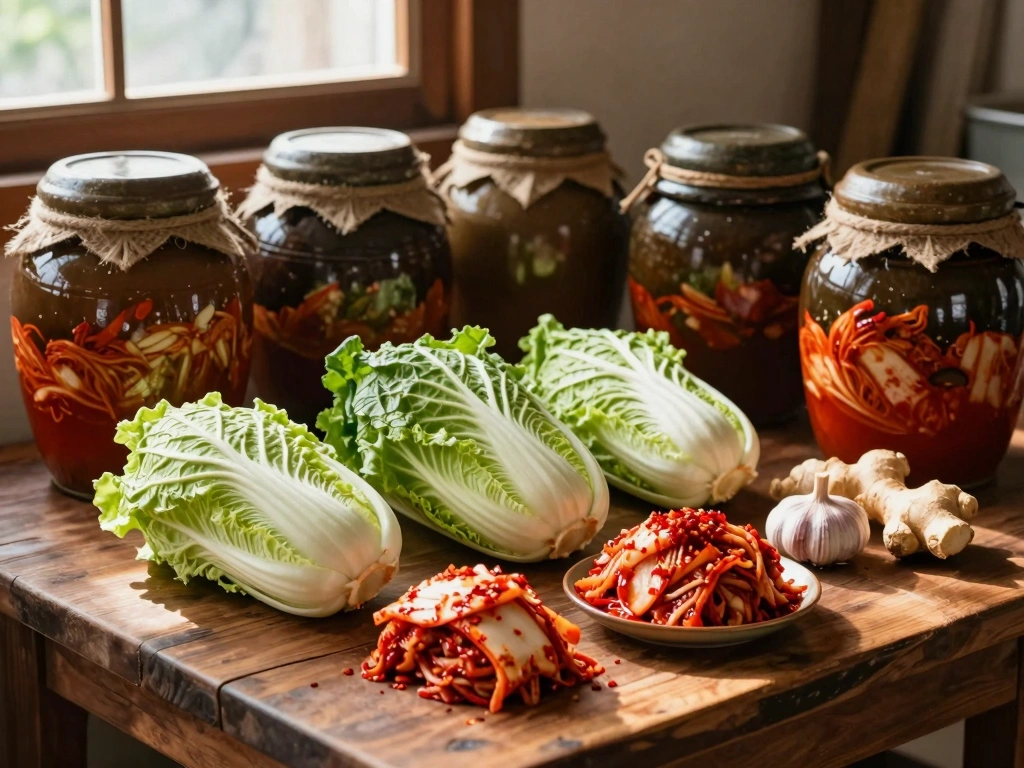
Traditional kimchi primarily consists of napa cabbage, radishes, and a variety of seasonings. The key ingredients include:
- Napa Cabbage: The backbone of many kimchi recipes, napa cabbage is prized for its crisp texture and ability to absorb flavors.
- Korean Radish: Also known as mu, this radish adds a crunchy texture and a slightly peppery flavor.
- Salt: Essential for drawing moisture from the vegetables and creating the brine necessary for fermentation.
- Korean Red Pepper Flakes (Gochugaru): These flakes provide the signature heat and color to kimchi.
- Garlic and Ginger: These aromatics enhance the flavor profile, contributing warmth and depth.
- Fish Sauce or Fermented Shrimp: These ingredients add umami and complexity, though they can be omitted for a vegetarian version.
The Role of Temperature in Fermentation
Temperature plays a critical role in the fermentation process. The ideal range for fermenting kimchi is between 60°F to 75°F (15°C to 24°C). At lower temperatures, fermentation will slow down, leading to a milder flavor and a longer fermentation time. Conversely, higher temperatures can accelerate fermentation but may also result in overly sour kimchi if not monitored closely. It is essential to find a balance suitable for your taste preferences and to adjust the fermentation time accordingly.
Traditional Tools and Equipment for Fermenting Kimchi
Essential Fermentation Vessels
Choosing the right vessel for fermenting kimchi is crucial. Traditionally, earthenware pots called onggi are used in Korea. These pots are porous, allowing gases produced during fermentation to escape while maintaining the right humidity levels. However, glass jars or food-grade plastic containers can also be effective alternatives for home fermentation.
When using glass jars, ensure they have a tight-fitting lid to create an anaerobic environment. For larger batches, consider a fermentation crock, which usually has a water seal that allows gases to escape without letting air in.
Using Traditional Utensils for Preparation
To prepare kimchi traditionally, certain utensils can enhance the process:
- Wooden Spoon: Ideal for mixing ingredients, as metal utensils can react with the acidic components of kimchi.
- Cutting Board: A wide, sturdy board is essential for chopping vegetables.
- Measuring Cups and Spoons: Accurate measurements ensure the right balance of flavors and ingredients.
- Gloves: Wearing gloves while handling spicy ingredients like gochugaru prevents irritation and keeps the flavors intact.
Maintaining Hygiene in Fermentation Tools
Hygiene is paramount in fermentation to prevent unwanted bacteria from spoiling the kimchi. Before starting the fermentation process, thoroughly wash all utensils and containers with hot, soapy water. Rinse well and allow them to air dry completely. Additionally, consider sterilizing your fermentation vessels by boiling them or using a vinegar solution to ensure a clean environment for the beneficial bacteria to thrive.
Step-by-Step Process of Making Traditional Kimchi
Preparing Vegetables for Fermentation
The first step in making kimchi is to prepare the vegetables correctly:
- Wash the Cabbage: Rinse the napa cabbage thoroughly under cold water. Remove any damaged outer leaves and cut the cabbage lengthwise into quarters.
- Brining the Cabbage: In a large bowl, dissolve ½ cup of salt in 2 quarts of water. Submerge the cabbage quarters in the brine and let them soak for 2 to 4 hours, turning occasionally until they are wilted and pliable.
- Prepare the Radish: While the cabbage is brining, peel and julienne the Korean radish into thin strips. This helps it to absorb flavors more effectively during fermentation.
Mixing the Kimchi Paste
Once the vegetables are ready, it's time to create the spicy kimchi paste:
- Combine Ingredients: In a mixing bowl, combine 1 cup of gochugaru with ½ cup of fish sauce (or a vegan alternative), 6 minced garlic cloves, 2 tablespoons of grated ginger, and 1 tablespoon of sugar. Adjust the amount of gochugaru based on your heat preference.
- Create a Thick Paste: Mix these ingredients until a thick paste forms. If necessary, add a small amount of water to help with mixing.
Packing and Storing the Kimchi
Now that you have your vegetables and kimchi paste ready, it's time to pack them into the fermentation vessel:
- Rinse and Drain the Cabbage: After brining, rinse the cabbage under cold water to remove excess salt and drain well.
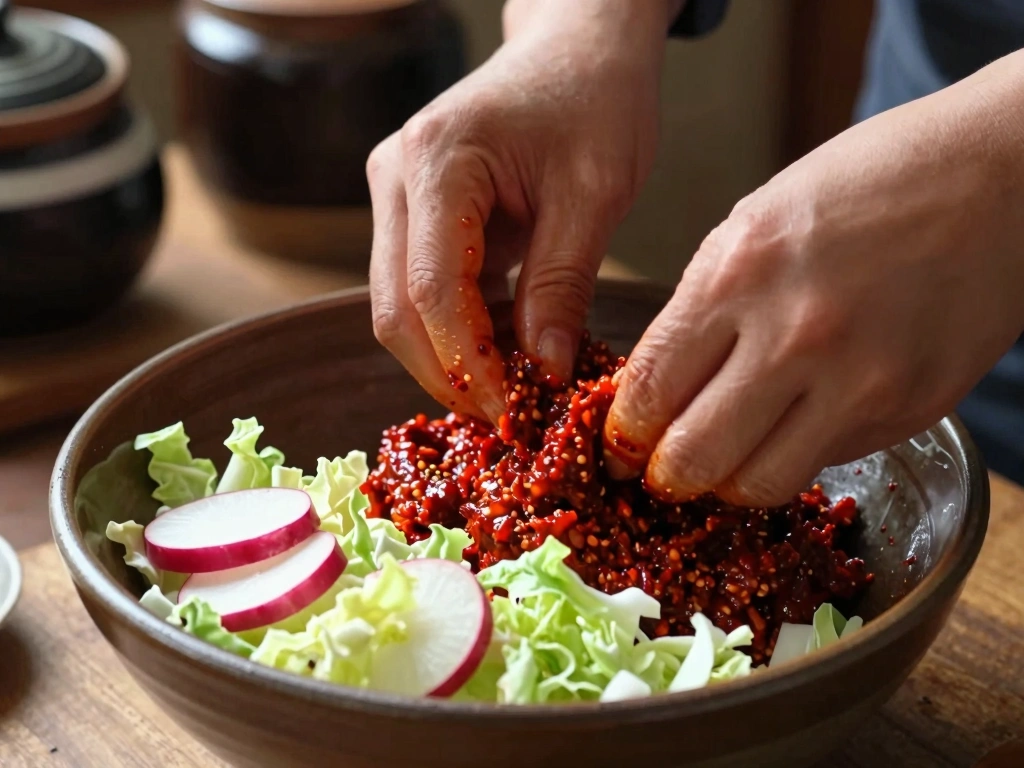
- Combine Vegetables and Paste: In a large bowl, combine the drained cabbage, radishes, and kimchi paste. Use your hands (wear gloves) to mix everything thoroughly, ensuring that the paste coats every piece of vegetable.
- Pack the Jar: Transfer the mixture into your fermentation vessel, pressing down firmly to eliminate air pockets. Leave about an inch of space at the top to allow for expansion during fermentation.
- Seal and Store: Seal the container tightly and place it in a cool, dark place to ferment for 1 to 5 days, depending on your taste preference. Check the kimchi daily to monitor its fermentation progress.
Monitoring and Adjusting the Fermentation Process
Signs of Proper Fermentation
As kimchi ferments, it will go through several stages. You can identify proper fermentation by observing the following signs:
- Bubbles: Formation of bubbles is a good indicator of active fermentation.
- Aroma: A pleasantly sour smell will develop as lactic acid bacteria thrive.
- Texture: The cabbage should become softer, yet still retain some crunch.
- Taste: Taste the kimchi daily. It should gradually become tangy and flavorful.
How to Adjust Flavor During Fermentation
If at any point during the fermentation process the flavor is not to your liking, there are ways to adjust it:
- Add More Seasoning: If the kimchi is bland, you can add more salt or fish sauce to enhance the flavor.
- Control Sourness: If the kimchi is becoming too sour, you can refrigerate it to slow down fermentation or consume it earlier.
- Incorporate Additional Ingredients: Consider adding more garlic, ginger, or gochugaru to boost flavor intensity.
Storing Kimchi for Optimal Flavor Development
After achieving the desired level of fermentation, it's crucial to store kimchi properly to maintain its flavor and texture:
- Refrigerate: Move the kimchi to the refrigerator after the initial fermentation period. The cold temperature will slow down the fermentation process, allowing for more controlled flavor development.
- Use Airtight Containers: Store kimchi in airtight containers to prevent exposure to air, which can lead to spoilage.
- Consume Regularly: Kimchi can be consumed fresh or aged, with flavors intensifying over time. Aim to eat within a few weeks for the best texture and taste.
Common Mistakes and Troubleshooting in Kimchi Fermentation
Identifying Fermentation Issues
Even seasoned fermenters can face challenges. Here are some common issues and how to identify them:
- Unpleasant Odor: If the kimchi develops a foul smell, it may indicate spoilage due to improper hygiene or temperature.
- Off-Colors: Discoloration, such as black spots, can indicate mold growth. If this occurs, it’s best to discard the batch.
- Excessive Softness: If the vegetables become mushy, it may be a sign of over-fermentation or too much salt.
Preventing Off-Flavors and Spoilage
Preventing off-flavors and spoilage requires attention to detail:
- Use Fresh Ingredients: Always start with fresh, high-quality vegetables to ensure the best outcome.
- Maintain Proper Salt Levels: The right amount of salt is essential not just for flavor, but also for controlling bacterial growth.
- Control Temperature: Keep the fermentation vessel in a stable, cool environment to minimize fluctuations that can affect the process.
Tips for Successful Fermentation Every Time
To ensure a successful kimchi fermentation experience, consider the following tips:
- Start with Small Batches: If you are new to fermenting, start with a small batch to familiarize yourself with the process.
- Keep a Fermentation Journal: Document your ingredients, fermentation times, and observations to learn from each batch.
- Be Patient: Fermentation is an art that requires patience. Allow the flavors to develop naturally over time.
- Experiment: Don’t hesitate to experiment with different vegetables and spices to create your own signature kimchi.